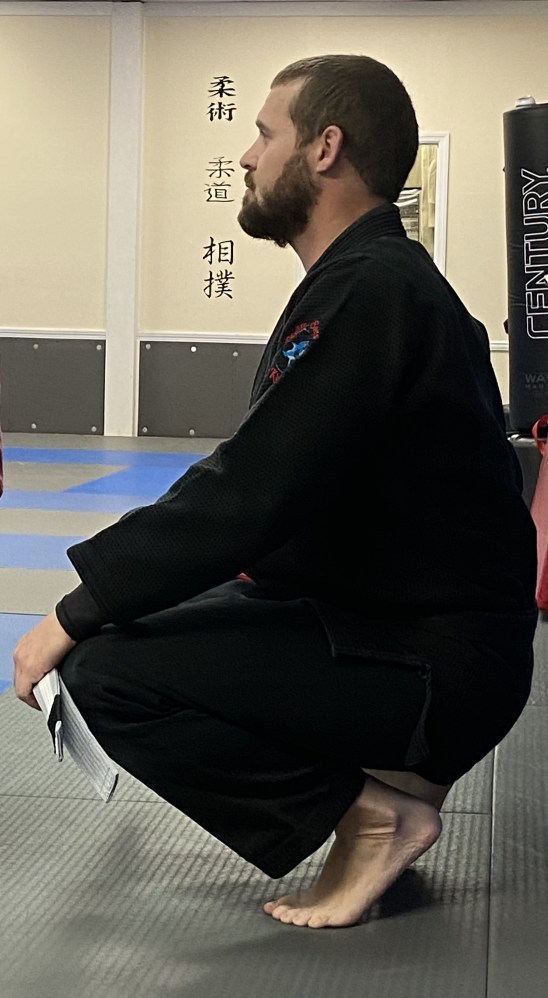
Our martial arts history has an age-old debate about the roots, stems, branches, and leaves. I’ve written previously about the differences between Brazilian Jiu-Jitsu and Japanese Jujitsu. This post takes a different look at what we call “Jiu-Jitsu” by critiquing our preconceived notions. My point is to get at just what we are talking about … Continue reading What is Jiu-Jitsu?
Learning
Readings: Thus Spake Zarathustra (Nietzsche for Martial Artists)
If you’ve ever read anything by or about Friedrich Nietzsche, you may be familiar with his concepts of will to power and the ubermensch (overman). These two key terms express Nietzsche’s defining characteristic: becoming. His book, Thus Spake Zarathustra, is a series of speeches and interactions of the prophet/hermit Zarathustra with various people and animals. Zarathustra … Continue reading Readings: Thus Spake Zarathustra (Nietzsche for Martial Artists)
Humanizing Tradition: Finding a Way Forward with Understanding
On a recent Judo coaches’ forum, one coach mentioned a sensei who typically had a cheerful disposition, happily helping young students learn a technique. However, on one particular day, the sensei saw a brown belt, maybe 18 years of age, “walking to his mat area with his belt slung around his neck.” The sensei proceeded … Continue reading Humanizing Tradition: Finding a Way Forward with Understanding
A Philosophical Speech About Death
You may have read my blog post about death being life's picture frame. I took that concept and extended it into a speech for the Institute of General Semantics. The major influences of the idea stem from Gregory Bateson and Corey Anton, both of which have extensive ties to the organization. If you have never … Continue reading A Philosophical Speech About Death
Fighting Change Philosophically: Postman’s Loving Resistance Fighter
Since closing my martial arts academy, I’ve found various ways to stay on the mat, including visiting other gyms and helping coach my daughter’s middle school wrestling team. It’s been a bit of a change of pace from teaching several nights a week, but I have enjoyed the different atmospheres. I’ve also pondered my title, … Continue reading Fighting Change Philosophically: Postman’s Loving Resistance Fighter
Readings: The Structure of Scientific Revolutions
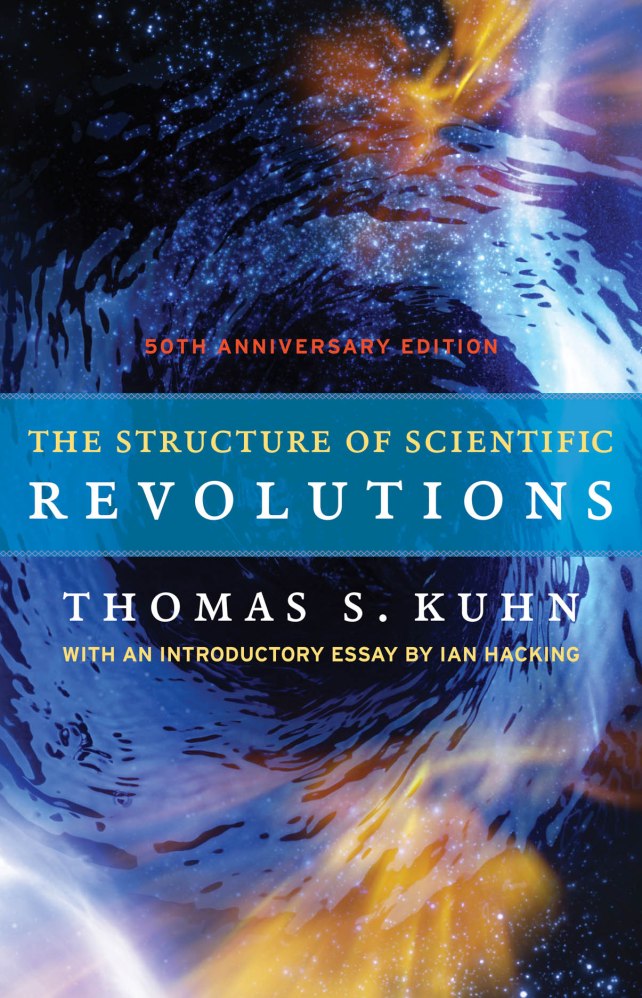
I first learned about Thomas Kuhn’s 1962 game-changing book, The Structure of Scientific Revolutions, in my undergrad “History of Science and Technology” class. After reading the book, I see how Kuhn looks at science, not as necessarily a truth-seeking endeavor, but more of a rhetorical process. Scientists aren’t discovering truth, but studying and advocating for better … Continue reading Readings: The Structure of Scientific Revolutions
Letting Go, part 2.
Recently in class, one of my students who had moved away stopped by for a visit. We were training and he tried to break my grip from his collar. He couldn’t and remarked, “Geez, Coach! You have a strong grip!” Aside from him not using the proper technique to strip the grip, I do have … Continue reading Letting Go, part 2.
Death as Life’s Picture Frame
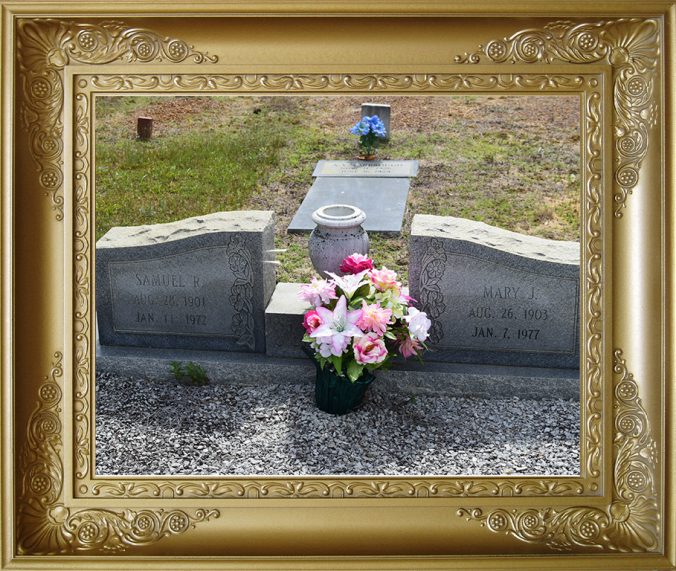
I know it may be an old pastime, but I still enjoy reading a newspaper. I always pay attention to the obituaries section, usually looking for names I know from my parents’ and grandparents’ age. Something struck me the other day, though. I read a name and looked at the age. I did not know … Continue reading Death as Life’s Picture Frame
Maximum Efficiency: Jigoro Kano and Buckminster Fuller
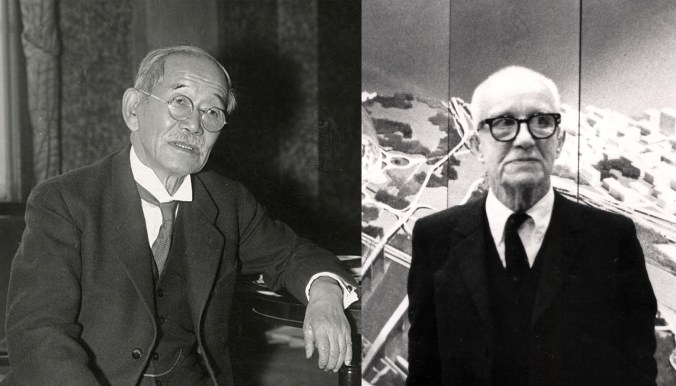
In Judo, we often hear the phrase, “Maximum Efficiency, Minimum Effort.” Judo’s founder, Jigoro Kano, spoke about the concept in 1932 during a speech at the University of Southern California. He said that for anything to be ideal, it must be performed on the principle of maximum efficiency. Throughout the speech, he argued about using … Continue reading Maximum Efficiency: Jigoro Kano and Buckminster Fuller
Rationality is overrated.
I like to tell myself that I’m a rational person. In feedback on an upcoming publication, I was called a “neo-liberal.” I wasn’t sure how to take that, but the implication was that I was too rational for my own good. I admit I lean heavily on logic and identify in many ways with the … Continue reading Rationality is overrated.